
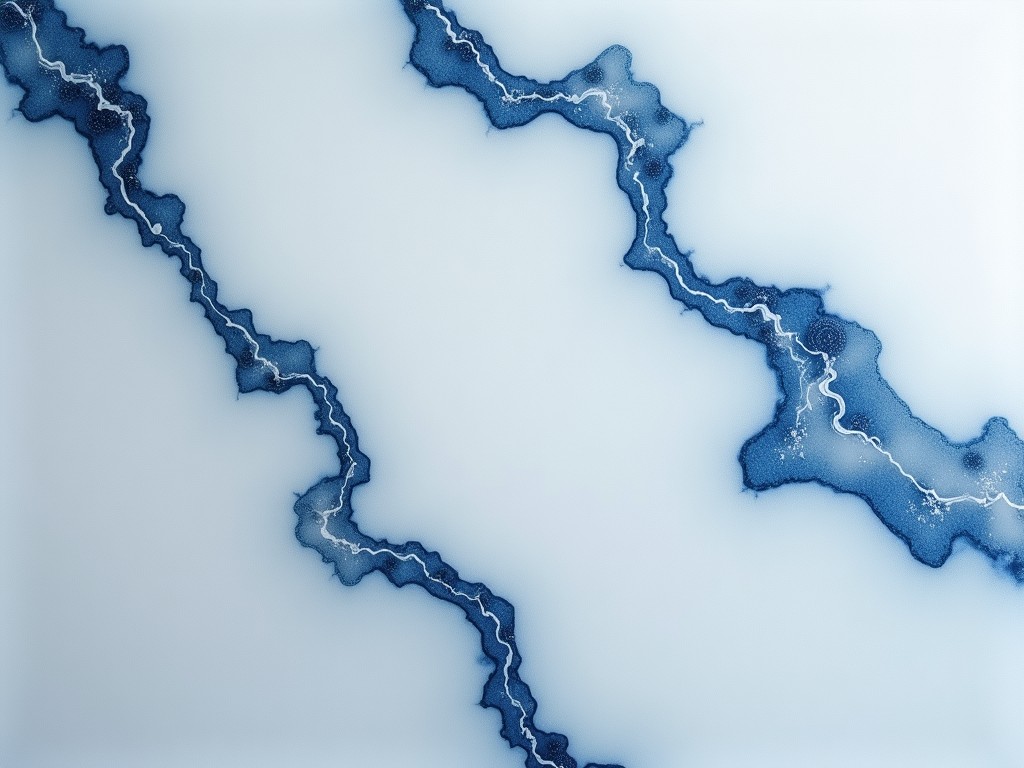
These engineered slabs combine approximately 92% natural quartz aggregate with a polymer resin matrix and mineral pigments that produce distinct blue veining throughout the surface. The result is a
Inquire NowThese engineered slabs combine approximately 92% natural quartz aggregate with a polymer resin matrix and mineral pigments that produce distinct blue veining throughout the surface. The result is a non‑porous worktop suitable for environments where chemical resistance, mechanical durability, and aesthetic consistency are required.
The slab consists of quartz crystals (SiO2) ranging from 0.1 to 2 mm in size, bound by an unsaturated polyester resin (typically 8‑12% by weight). Blue veins are created by adding cobalt‑based pigments or recycled glass particles during mixing, ensuring the color is stable under UV exposure.
The resin matrix begins to soften above 150 °C; therefore, continuous exposure should be limited to 120 °C. Short‑term contact with hot pans up to 180 °C is tolerable without surface damage. The non‑porous surface resists staining from acids (pH 2‑4), alkalis (pH 10‑12), and common solvents such as ethanol and acetone when wiped within 5 minutes.
| Parameter | Typical Tolerance |
|---|---|
| Thickness | ±0.5 mm (standard 20 mm, 30 mm) |
| Length | ±2 mm per meter |
| Width | ±2 mm per meter |
| Flatness (warpage) | ≤0.3 mm over 1 m² |
In laboratory settings, the low absorption and chemical resistance prevent contamination of samples and allow routine cleaning with disinfectants. Healthcare facilities benefit from the seamless surface that inhibits bacterial growth and withstands frequent wiping with hospital‑grade cleaners. In hospitality, the consistent blue veining provides a distinctive visual element that matches branding while maintaining durability under high traffic.
Each slab undergoes visual inspection under 500 lux lighting to verify vein uniformity and absence of surface pits. Dimensional checks are performed with calibrated calipers and laser scanners. Flexural strength is tested on a representative sample from each batch according to ASTM C1161, and water absorption is measured per ASTM C97. Only slabs meeting all criteria are released for shipment.
Can dimensions be customized? Yes, length, width, and thickness can be adjusted to project requirements; contact engineering for feasibility.
What information is required before quotation? Provide slab size, thickness, edge profile, veining preference, and any required certifications (e.g., NSF, Greenguard).
How is quality inspected? Visual, dimensional, mechanical, and absorption tests are performed per internal standards aligned with ASTM methods.
What packaging methods are available? Slabs are packed in vertical wooden crates with corner protectors, stretch film, and humidity‑desiccant packets; sea‑worthy pallets for export.
What is the typical production lead time? Standard lead time is 3‑4 weeks after receipt of approved shop drawings; expedited options exist.
Queenswood delivers modern bathroom solutions through original design, advanced manufacturing, and reliable quality for customers worldwide.


Middle of Xingang East Road, Haizhu District, Guangzhou City, Guangdong Province

